
When Emotion Goes Unnoticed, the Body Remembers
1. Is It Exhaustion — or Emotional Stagnation?
2..When Pain Becomes the Voice of Everything You Suppressed .
3. Can Suppressed Emotions Actually Make You Sick?
4. When the Body Says No — What It’s Trying to Tell You
5. I’m Suppressed — So Why Do I Feel “Fine”?
6. Write It to Release It — How Writing Soothes Your System.

1. Is Your Illness Actually a Message?
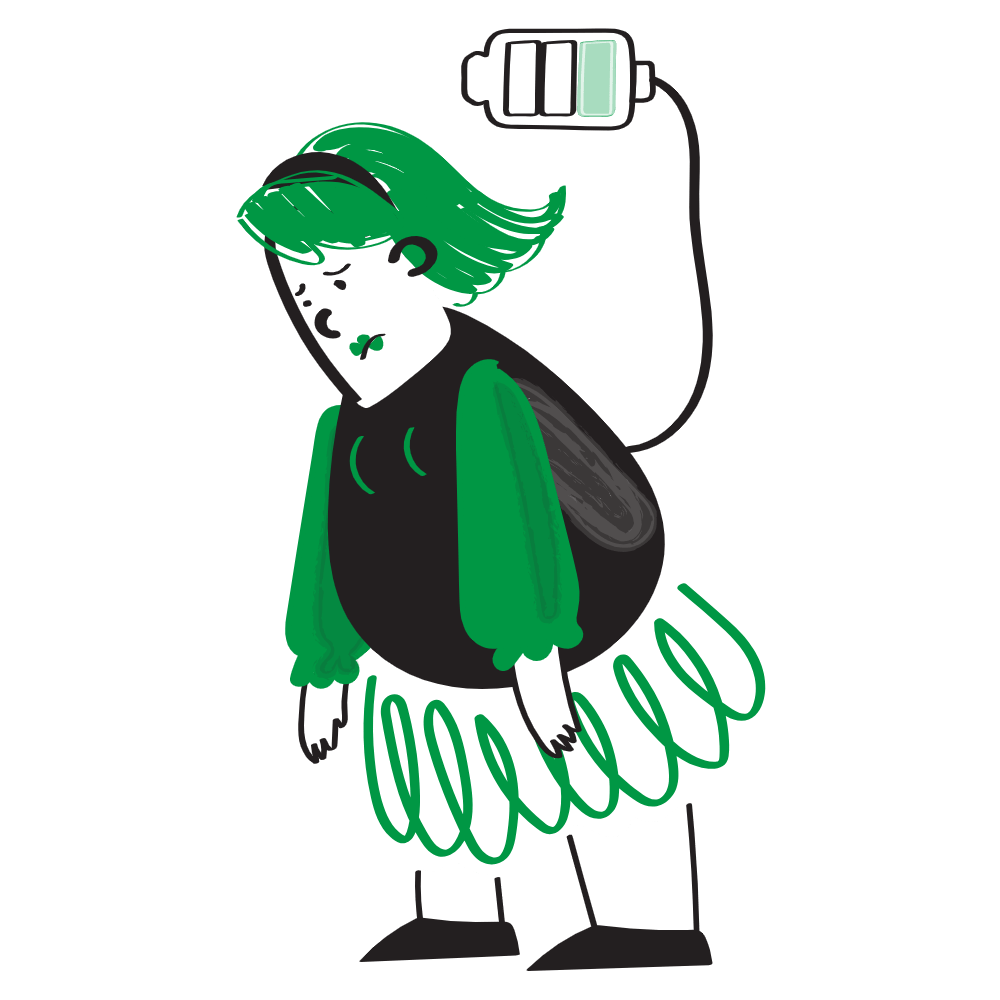
What if illness isn’t just a physical breakdown, but a message? What if fatigue, inflammation, or chronic pain is your body’s final attempt to express what you couldn’t? This isn’t about blame; it’s about finally hearing what your body has been trying to communicate. Understanding the emotional weight you carry is the first step towards release.
2. What Modern Medicine Still Doesn’t See.
Modern medicine is powerful. It diagnoses, isolates, and treats symptoms. But it often misses one critical truth: you are not just a set of parts. You are a complete story—mind, body, memory, emotions. Doctors ask, “Where does it hurt?” but rarely, “What has your life been carrying?” Dr. Gabor Maté, author of When the Body Says No, spent decades revealing how unspoken emotions can manifest as illness. Behind many kind, strong, and selfless people, he found lives marked by silence, emotional strain, and hidden pain.


3. Mary’s Story: When the Body Couldn’t Hold It Anymore.
Mary was gentle, caring, and always putting others first. Yet her body was in persistent pain that progressively worsened. It began as a small wound on her finger that refused to heal. Medical treatment couldn’t stop the progression; she eventually lost the finger and developed further symptoms. Diagnosed with scleroderma—a disease causing the immune system to attack the body—medical interventions failed repeatedly. Then Dr. Maté asked her a question no one else had: “Can you tell me your story?” Mary revealed years of hidden trauma: abandonment, abuse, and shielding her younger sister from a violent stepfather from the age of seven. She believed expressing pain was unsafe: “If I show pain, who will protect them?” She suppressed it until her body, through illness, spoke the truth she never could.
4. When You Can’t Say No, the Body Says It for You.
Mary’s experience resonates with many who learned emotional silence:
“If I’m struggling, I’m weak.”
“If I say no, I’m selfish.”
“If I rest, I’m lazy.”
So you over-function, maintain appearances, and keep going until something inside gives way. As Dr. Maté emphasizes: “When you don’t say no, your body eventually says it for you.”
Physical manifestations often include:
- Autoimmune diseases
- Chronic fatigue
- Digestive disorders like IBS
- Migraines
- Persistent muscle pain and tension
These symptoms aren’t random—they’re emotional overload expressed through your body.


5. What Freud Warned Us About Over 100 Years Ago.
Sigmund Freud wrote:
“Unexpressed emotions never die. They are buried alive and come forth later in uglier ways.”
Modern trauma research and neuroscience validate Freud’s insight: what the mind suppresses, the body inevitably expresses.
The Invisible Stress We Normalize
Not all emotional suppression stems from clear trauma; often, it’s subtle and normalized:
- Saying yes when you mean no
- Prioritizing everyone else’s comfort
- Carrying invisible burdens of expectation
- Smiling through pain because you feel obligated to “stay positive”
In these moments, you trade honesty for acceptance and replace your truth with a façade of strength. You tell yourself, “I’m fine,” but your body remembers the weight. Eventually, your body pleads: “Please pay attention to me.”
Share with a Friend — Healing Feels Lighter Together
Where Healing Begins: Awareness, Not Force.
This isn’t about guilt or blame. It’s about finally listening to your body’s messages. Healing starts when you shift from fixing to feeling, from managing your body to meeting it. You don’t need to solve everything today. Simply stop abandoning yourself. Start small—one feeling at a time, one breath, one moment of honesty.
In the next part of this series, we’ll explore how to safely reconnect with your emotions without feeling overwhelmed. We’ll discuss gentle methods for rediscovering emotional awareness after years of suppression. Because healing isn’t about control—it’s about connection.
Read More:
 A Calm Space for Emotional Release | Relieve App
Leave a comment