
When Emotion Goes Unnoticed, the Body Remembers
1. Is It Exhaustion — or Emotional Stagnation?
2..When Pain Becomes the Voice of Everything You Suppressed .
3. Can Suppressed Emotions Actually Make You Sick?
4. When the Body Says No — What It’s Trying to Tell You
5. I’m Suppressed — So Why Do I Feel “Fine”?
6. Write It to Release It — How Writing Soothes Your System.


1. You Feel “Fine” — But Is That the Whole Story?
You might often say: “I’m fine. I function well. I manage my days without falling apart.” And that’s true. You show up, you handle responsibilities, and you remain steady—even amidst chaos.
But gently, consider this: what if feeling “fine” doesn’t mean nothing is wrong? Some emotions don’t shout—they quietly retreat, and eventually become an unexplained heaviness.
2. Why We Suppress Without Realizing.
Most of us aren’t taught to express emotions—we learn to manage or hide them. Perhaps you had to be strong for others or didn’t want to burden anyone. Maybe there was no safe space for vulnerability.
You adapted. But these adaptations—being calm, controlled, silent—carry hidden costs. Initially, suppression can even disguise itself as strength.

3. What Suppression Feels Like (At First).
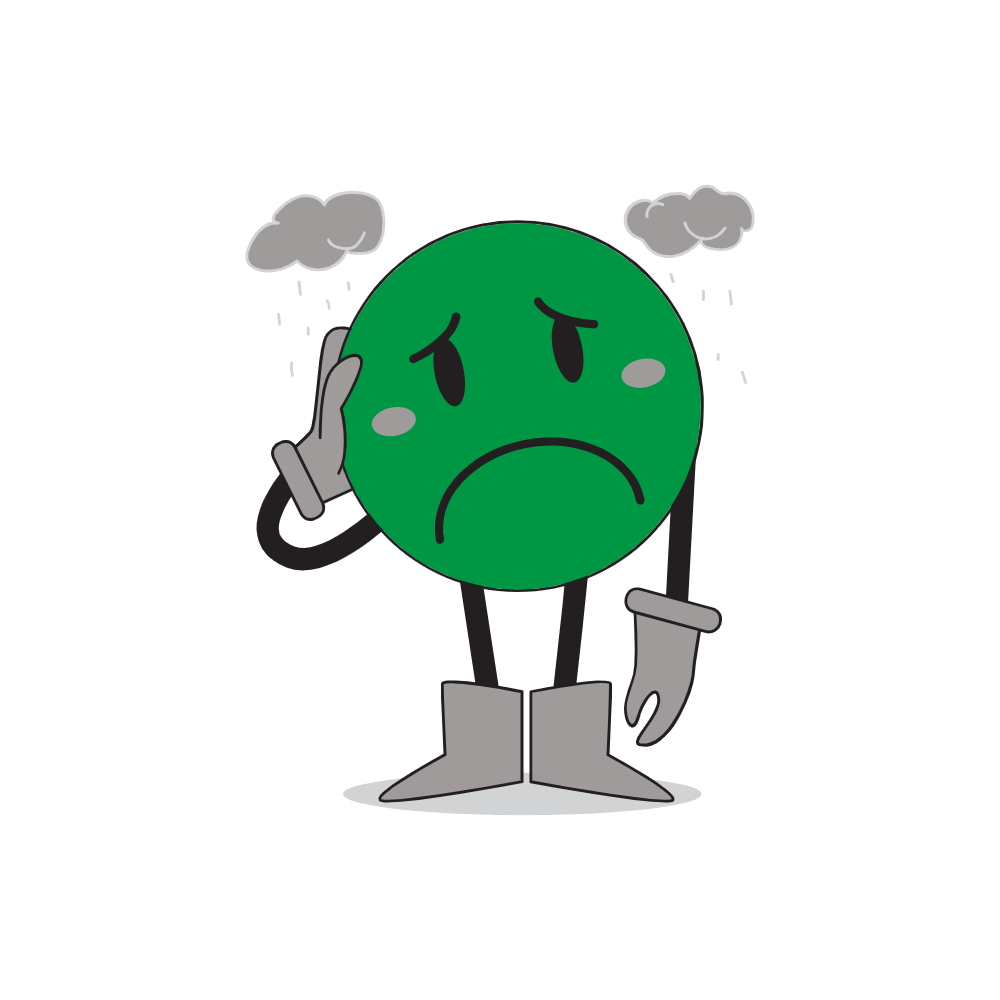
At first, suppression feels like resilience. You move through life without burdening others. You maintain composure under pressure. But gradually, you notice:
- Waking up tired despite resting
- Feeling disconnected after long days
- Small, unexplained physical symptoms
- Emotional flatness, numbness, muted joy
This isn’t weakness—it’s your body saying: “There’s something deeper you haven’t heard yet.”
4. Why It’s So Easy to Miss.
Emotional suppression isn’t always dramatic—it often feels practical. But like holding a beach ball underwater, it takes constant, invisible effort. Over time, that effort quietly steals energy from other parts of your life. You may notice you don’t sleep as well, your digestion is unsettled, your focus slips, and moments of joy feel muted.
You might:
- Feel irritable or detached.
- Avoid deeper conversations.
- Think, “This is just who I am now.”

But what if this isn’t who you truly are—just what you’ve learned to carry? Check if these experiences resonate:
- Do you keep busy to avoid feeling?
- Do you only recognize emotions when your body reacts?
- Do you feel emotionally blank but still say, “I’m good”?
- Do you notice bodily tension but quickly move past it?
- You suddenly feel heavy or disconnected at your desk.
- You wake up stiff despite adequate rest.
- You stretch, but tension remains.
- You’re too exhausted at day’s end to feel relief or satisfaction.
These aren’t random—they’re quiet signals asking for your attention.


5. Your First Step: Just Notice.
Healing begins with awareness. You don’t need immediate breakthroughs or big emotional releases. Simply start by noticing the small ways your body speaks to you:
- The lump in your throat when speaking your truth
- The sigh you release when you’re finally alone
- How your body relaxes slightly in quiet moments
By paying attention to these subtle signals, you create the space for emotions to surface safely. This isn’t about fixing or forcing change—it’s about reconnecting with the quiet part of you that’s been waiting to be heard.
Share with a Friend — Healing Feels Lighter Together
Write It to Release It — How Writing Soothes Your System. In the next part of this series, we’ll explore expressive writing—a safe, gentle way to reconnect with your emotions after years of suppression. Not to fix or perform, but to create space for what’s real. Because noticing what’s true is the first step toward gradually returning to yourself.
Read More:
 A Calm Space for Emotional Release | Relieve App
Leave a comment