
When Emotion Goes Unnoticed, the Body Remembers
1. Is It Exhaustion — or Emotional Stagnation?
2..When Pain Becomes the Voice of Everything You Suppressed .
3. Can Suppressed Emotions Actually Make You Sick?
4. When the Body Says No — What It’s Trying to Tell You
5. I’m Suppressed — So Why Do I Feel “Fine”?
6. Write It to Release It — How Writing Soothes Your System.


1. Let Your Body Feel Cared For Again — Through Writing
You’ve been carrying so much — maybe for years. Some of it you’ve spoken. Most of it, you’ve just kept moving through. Quietly. Patiently. With a strength that often goes unseen.
But even strength needs a place to rest. Even silence needs somewhere to soften. This next step isn’t about saying everything out loud — it’s about letting your body feel cared for again. Gently. Without judgment.
And one of the safest, most powerful ways to do that… is through writing.
2. What Your Body Feels When You Finally Let It Speak
When you sit down to write — even for a few moments — something shifts. Not just emotionally, but physically.
You may notice:
- Your breathing slows
- Your shoulders soften
- Your thoughts begin to clear
- A quiet calm begins to settle
It’s not about dramatic breakthroughs. It’s your body recognizing: “I’m not alone with this anymore.” Writing helps your nervous system shift from tension to relief — a soft exhale that says, “I’m safe now.”


3. If You Don’t Know What to Say — Start Here.
That’s okay. Feeling blank is just a signal — not a problem. You don’t have to start with clarity. Just honesty.
Let’s try something together — right now.
Open your notes app. Grab a notebook. Use a scrap of paper.
Close your eyes. Place your hand on the part of your body that feels tense, heavy, or numb. Now breathe into that place.
Then write:
- “Right now my body feels…”
- “Today I noticed…”
- “Something I haven’t said out loud is…”
- “If my body could speak today, it would say…”
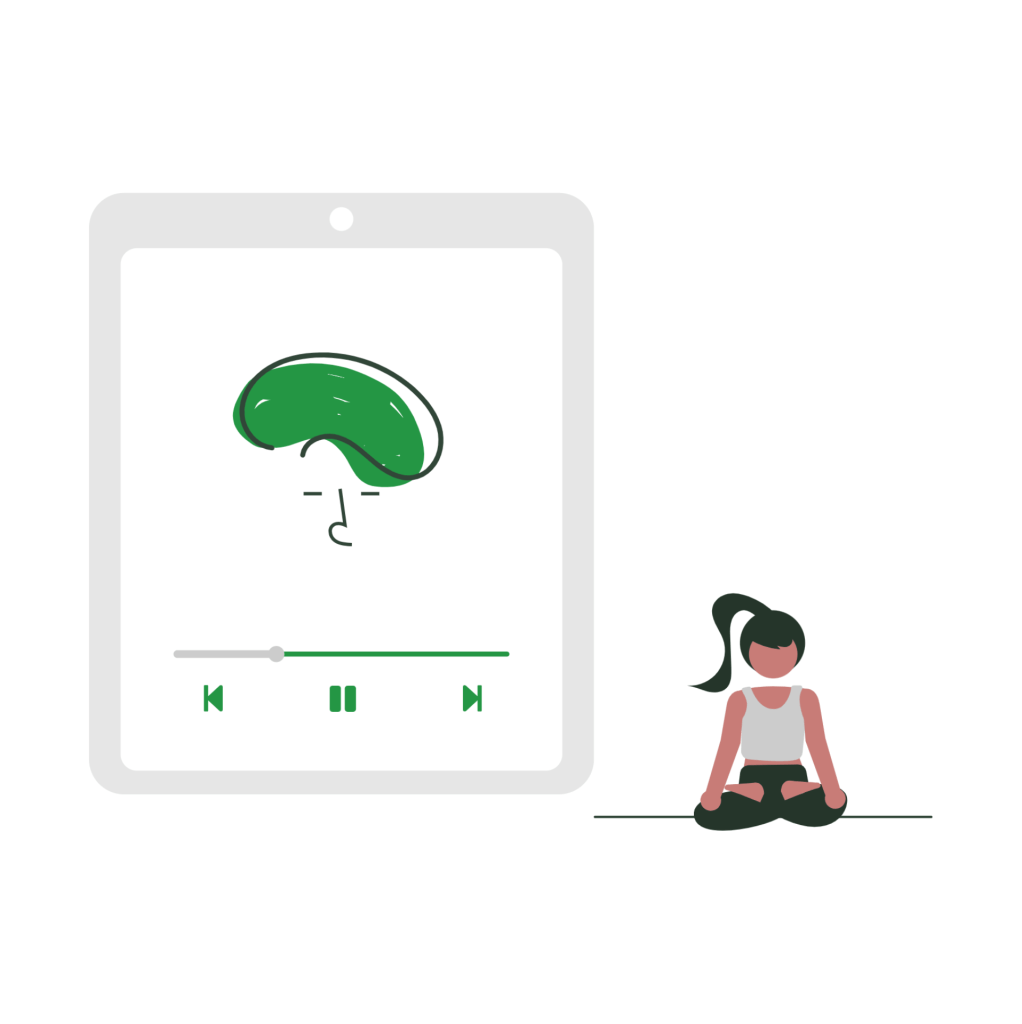
You’re not solving anything yet. You’re just listening. Sometimes what your voice can’t say… your pen can begin to whisper.
Then ask yourself gently:
- What am I feeling right now? Describe the emotion as clearly as you can — even if it feels vague or unfamiliar. Name what’s alive inside.
- Where is it showing up in my body? A knot in your stomach? A lump in your throat? A heavy brow? Let your hand rest there. Let it soften.
- What might it need right now? Maybe space. A breath. Maybe just to be seen.
Then finish with a message to that part:
- “You don’t have to carry this alone.”
- “Let’s breathe here for a while.”
- “You’re not a burden. You’ve been waiting to be heard.”
Now take a real, nourishing breath. Let it move through the place you wrote from. Let it settle. Let it soften.
4. Two Gentle Paths: Pick What Fits Today
If you’re ready to continue, try one of these two writing flows:
- Brief Expression — a quick emotional reset when time is short. Your space for lighter, unfiltered release — like Morning Pages. Let the words come as they are.
- Deep Exploration — a structured journey using layered prompts. Perfect for emotional insight, clarity, and healing. One question at a time, guiding you into what lies beneath.
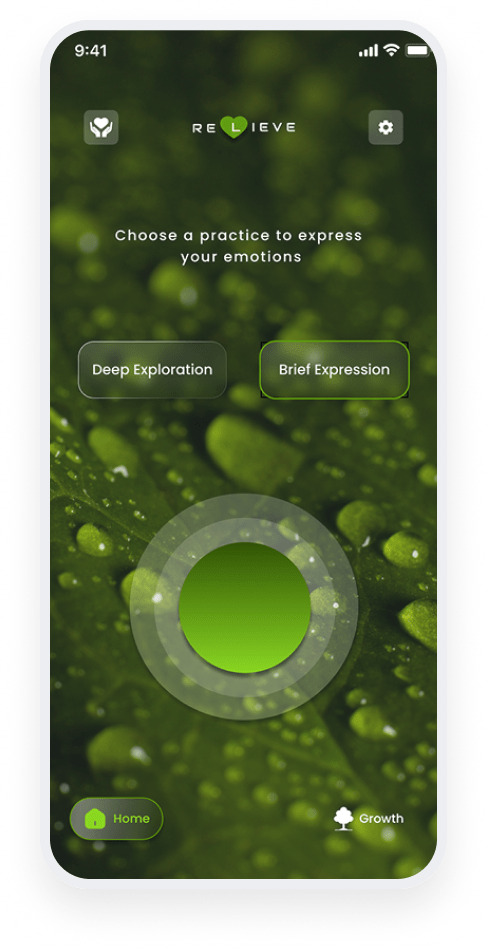
You don’t need the “perfect” choice. Just begin where you are.
5. What Happens When You Start?
When you begin writing down what you’ve been holding in, there’s often a quiet, unexpected shift. At first, it’s in your mind — the constant swirl of thoughts starts to slow, the weight you’ve been carrying in your head feels lighter, and suddenly, it’s a little easier to breathe. Then your body follows:
- A release of tension in your chest or jaw
- A lift in the mental fog that’s been clouding you
- A softening in places that once held tight
- A feeling of inner honesty — like something was finally named
Writing doesn’t just get words out — it tells your nervous system it can stop bracing and start breathing. And that small exhale? That’s where healing begins.

6. Let Small Be Enough
This isn’t about digging up pain. It’s about easing what you’ve been carrying. Because holding it all in is exhausting. You don’t need a perfect routine. You just need a quiet moment — and permission to feel again. Your emotions deserve space. Your body deserves ease. You deserve to feel at home in yourself.
Welcome back to the part of you that’s been waiting to be seen.

Share with a Friend — Healing Feels Lighter Together
Write It to Release It — How Writing Soothes Your System
In the next part of this series, we’ll explore expressive writing—a safe, gentle way to reconnect with your emotions after years of suppression. Not to fix or perform, but to create space for what’s real. Because noticing what’s true is the first step toward gradually returning to yourself.
Read More:


Leave a comment